
Antioxidants are compounds that help protect the body from oxidative stress, a process caused by an imbalance between free radicals and the body’s ability to neutralize them. Free radicals are unstable molecules that can damage cells, proteins, and DNA over time.
Oxidative stress occurs naturally as part of metabolism, but it can be increased by factors such as pollution, poor diet, smoking, stress, and excessive sun exposure. When left unchecked, oxidative stress is associated with aging, inflammation, and an increased risk of chronic diseases.
Antioxidants work by neutralizing free radicals, helping to reduce cellular damage. Common antioxidants include vitamins such as vitamin C and vitamin E, as well as plant compounds like flavonoids, carotenoids, and polyphenols.
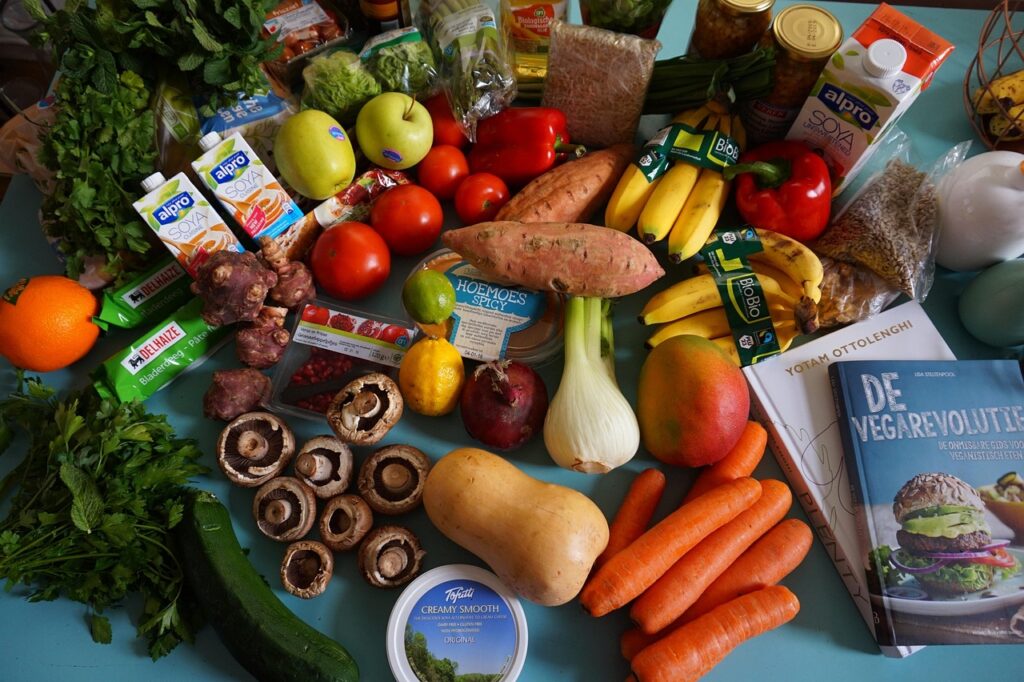
Fruits and vegetables are among the richest sources of antioxidants. Brightly colored produce often contains higher levels of antioxidant compounds, which is why dietary variety is encouraged. Whole foods provide antioxidants in combination with fiber and other beneficial nutrients, enhancing their overall health impact.
While antioxidant supplements are widely available, research suggests that obtaining antioxidants from whole foods is more effective and safer for long-term health. Whole-food sources support better absorption and balance within the body.
A diet rich in antioxidant-containing foods supports cellular protection, reduces inflammation, and contributes to long-term health maintenance.


